

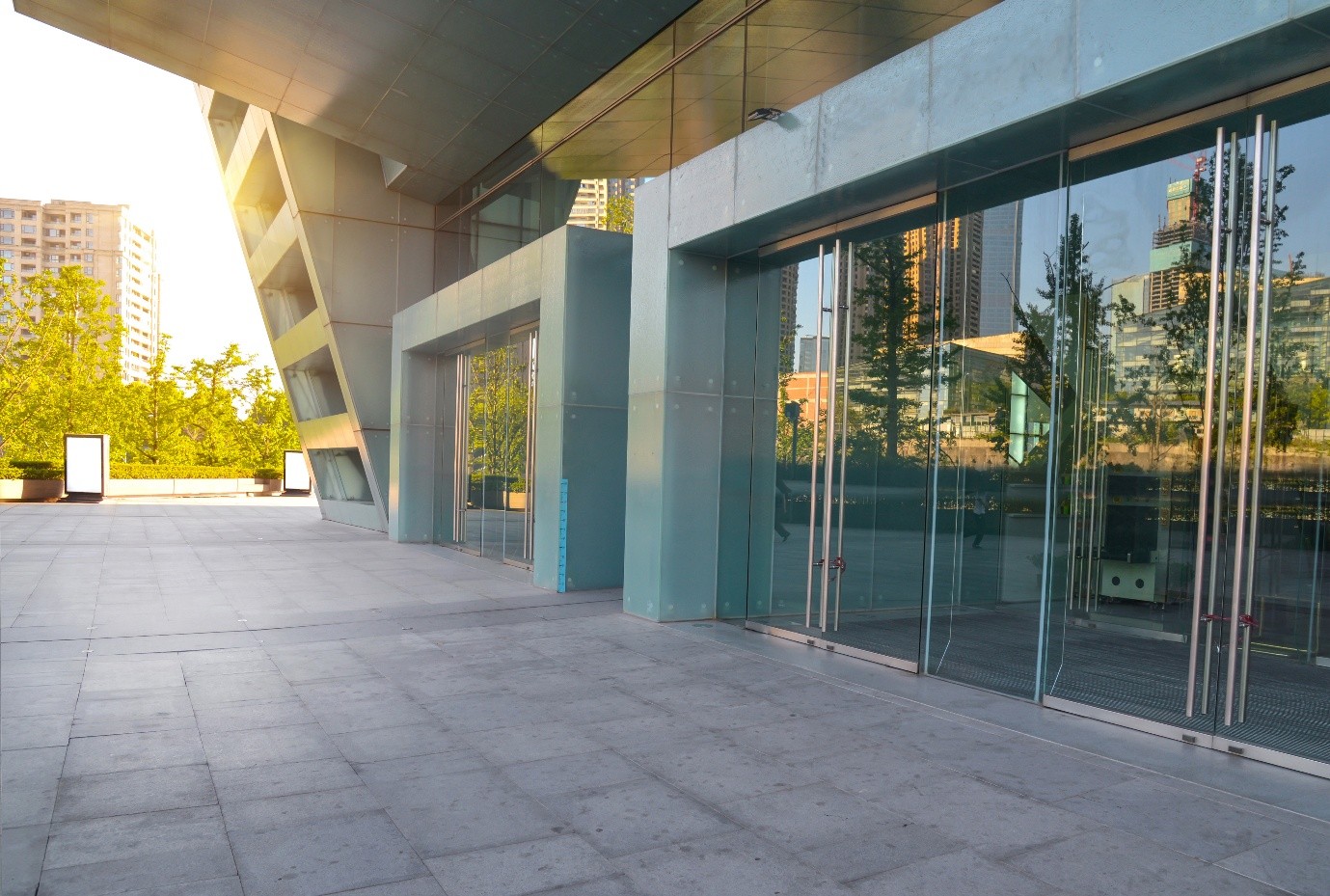
Overview: This blog explains how pivot, sliding, and hinged systems shape modern entry design. It helps you choose the right style for homes, offices, and retail spaces. You will understand performance, aesthetics, and functionality in simple terms. It also guides you toward better architectural alignment for modern, clean, and durable glass entrance solutions.
Modern spaces are speaking a new language, and transparency leads the conversation. With rising demand for clean visuals and open flow, glass entrance doors are becoming the first design choice for homes, offices, and retail fronts. The shift is not just style. It is about light, identity, and smart spatial experience that welcomes without barriers.
What Makes Pivot Glass Doors a Modern Statement?
Pivot doors rotate on a central axis, not side hinges. This gives a bold, floating effect that feels architectural and strong. You notice how they turn slowly and smoothly, almost like a gallery entrance. They are perfect for wide openings where design impact matters as much as durability and everyday performance.
Where Pivot Doors Fit Best in Real Spaces
Pivot systems work best in luxury homes, boutique offices, and premium commercial lobbies. They support heavier glass panels, allowing large, uninterrupted views. You feel openness without losing structure. Designers love them because they create a dramatic entry moment, turning a simple door into a visual anchor for the entire facade.
Why Sliding Glass Doors Feel Seamless and Smart
Sliding systems are the quiet achievers of modern architecture. Panels move sideways on precision tracks, saving space while maximizing light. They suit tight areas where swing clearance is limited. The motion is soft, almost invisible, giving interiors a continuous flow that feels calm, practical, and extremely space-efficient.
Best Spaces for Sliding Glass Door Systems
Sliding doors shine in apartments, retail stores, and office partitions where space control matters. They connect indoor and outdoor zones effortlessly. Think patios, conference rooms, or storefronts. They bring a clean horizontal rhythm that aligns perfectly with minimalist architecture and modern commercial planning without overwhelming the visual balance.
Why Hinged Glass Doors Still Hold Strong Value
Hinged doors are classic, but they have evolved. Today’s versions use refined hardware and frameless edges for a cleaner look. They swing with precision and offer reliable sealing. For many projects, they remain the most practical choice where simplicity, cost control, and durability must work together without compromise.
Where Hinged Systems Make the Most Sense
Hinged doors are widely used in interior offices, residential entrances, and service entries. They provide a familiar motion that users trust instantly. Even in modern design, familiarity matters. When paired with clear or frosted glass, they balance privacy with openness, giving a structured yet inviting entry experience.
How Frameless Storefront Systems Shape Modern Facades
A frameless storefront system removes visual barriers and lets glass dominate the structure. It creates a clean, uninterrupted frontage that feels premium and modern. Retailers and architects prefer it because it maximizes visibility and brings daylight deep inside, improving both customer experience and architectural identity.
How Glass Entrance Doors Define Residential Modern Living
In homes, glass entrance doors create a smooth transition between outside and inside. You get natural light, better openness, and a refined look that lifts curb appeal. Whether pivot, sliding, or hinged, each style adds personality while keeping the design language clean, simple, and future-ready.
Why Office Spaces Depend on Smart Glass Entry Choices
A glass door for office entrance is not just a design feature. It sets the first impression for clients and employees. Sliding systems suit high traffic, pivot doors elevate executive areas, and hinged doors support internal flow. Each choice reflects how a workspace values clarity, movement, and professional identity.
How Commercial Entrances Use Glass for Impact
A glass commercial entry doors system brings visibility, trust, and brand strength to retail and corporate buildings. It invites people in without effort. Strong hardware, safety glass, and modern framing ensure performance while maintaining elegance. It is where architecture meets business psychology in a direct and visible way.
Conclusion: Choosing the Right Style for Modern Architecture
Every glass entrance style has a role. Pivot doors create drama, sliding systems save space, and hinged doors offer reliability. The right choice depends on flow, structure, and purpose. When designed well, glass becomes more than entry. It becomes an experience. For expert guidance and precision installation, Fiduciary Glass Inc. helps you design entrances that feel right and perform even better.
FAQs
1. Which glass entrance door is best for modern homes?
Pivot and sliding glass doors are most popular. They offer open views, clean design, and smooth movement that matches modern residential architecture perfectly.
2. Are sliding glass doors durable for daily use?
Yes, high-quality sliding systems are built for frequent use. With proper installation, they remain smooth, secure, and long-lasting in both homes and offices.
3. Do pivot doors need more space than other types?
Pivot doors need clearance for rotation, but they save side space. They are ideal for wide entrances and luxury architectural statements.
4. Can glass doors be energy efficient?
Yes, modern glass doors use insulated glazing and sealed systems. They help control heat, light, and noise effectively in both residential and commercial spaces.
5. What is the biggest advantage of frameless glass systems?
Frameless systems offer uninterrupted views, maximum daylight, and a clean modern look that enhances both architectural value and customer experience.





Leave a Reply